
Understand the Fast-Casual Concept
To franchise a fast-casual restaurant successfully, grasp the unique attributes of this dining model. Fast-casual restaurants blend the speed of fast food with the ambiance of casual dining, emphasizing high-quality ingredients while providing quick service. The atmosphere is relaxed compared to traditional fast food chains, enabling guests to enjoy their meals comfortably. Key elements include:
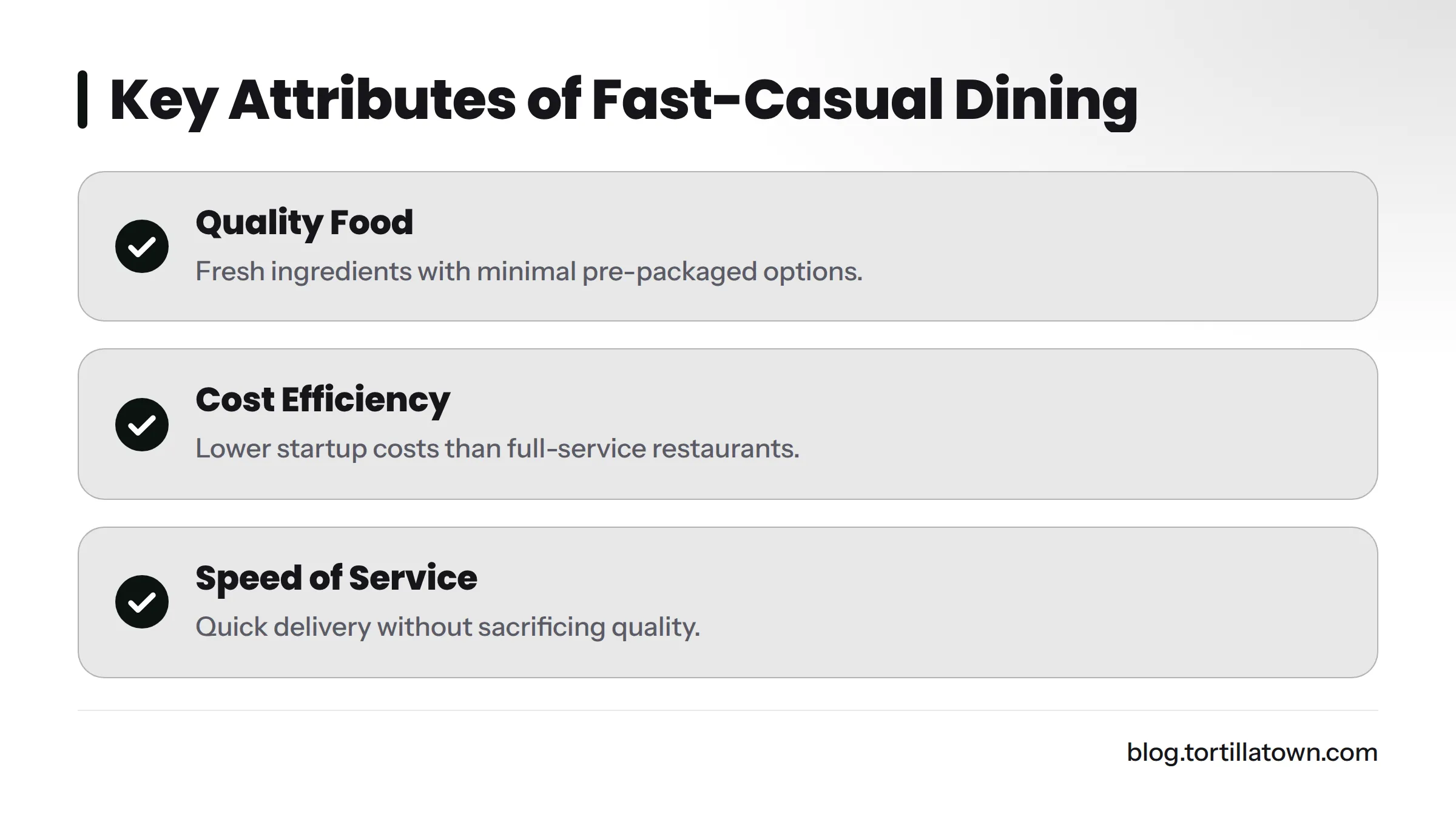
- Quality Food: Fresh ingredients with minimal pre-packaged options.
- Cost Efficiency: Lower startup costs compared to full-service restaurants.
- Speed of Service: Quick delivery without sacrificing quality.
By familiarizing yourself with these characteristics, you can shape your franchising strategy effectively.
Assess Your Business Model
Next, conduct a thorough evaluation of your business model. Determine if your existing restaurant can be franchised effectively. Consider these questions:
- What unique selling proposition does your restaurant offer?
- Can your operational processes be easily duplicated?
- What positive financial trajectories have you experienced?
This assessment is key to deciding whether your restaurant is prepared for franchising and to identify needed adaptations for franchisees.
Research Franchise Regulations
Understanding franchise regulations is essential. Start with the Federal Trade Commission (FTC), which requires a Franchise Disclosure Document (FDD). The FDD must disclose:
- The franchise's legal status.
- Any past litigation issues.
- Estimated initial investment costs.
Additionally, research specific state regulations, as franchises must comply with laws in each state of operation. This includes licensing requirements and local health codes that could affect operations.
Develop Your Franchise Plan
A robust franchise plan is vital. This document should outline:
- Your brand strategy and mission statement.
- The structure of your franchise operations, including location criteria.
- The support services you'll offer, such as marketing and training.
Ensure the plan is detailed, as it will serve as a roadmap for potential franchisees, helping them understand the value of your franchise opportunity.
Create Franchise Documents
Prepare the necessary legal documents to formalize your franchise offering. Key documents include:
- Franchise Agreement: Details the relationship between franchisor and franchisee, including responsibilities and liabilities.
- Operations Manual: Offers comprehensive instructions on business operations - think of it as the franchisee's playbook.
- Marketing Plan: Guidelines on how franchisees can effectively promote the brand.
Investing in legal counsel for drafting these documents ensures compliance and clarity for everyone involved.
Set Up Training Programs
Develop comprehensive training programs for franchisees. Effective training should cover:
- Operations management.
- Customer service standards.
- Marketing strategies.
A structured training program instills confidence in franchisees and ensures operational consistency across locations. Implement ongoing training and support to adapt to market changes as needed.
Market Your Franchise Opportunity
Promoting your franchise opportunity is essential for attracting potential franchisees. Consider these strategies:
- Franchise Listing Websites: Leverage platforms dedicated to franchising.
- Webinars and Information Sessions: Engage potential franchisees through interactive sessions.
- Networking Events: Attend franchise expos to connect with interested investors.
Craft a compelling narrative around your brand to inspire confidence and attract franchisees who align with your vision.
Support Your Franchisees
Ongoing support is crucial for franchise success. Establish a support system that includes:
- Regular communication through newsletters or updates.
- Continuous operational support and problem-solving resources.
- Mechanisms for franchisee feedback to enhance operations and services.
By prioritizing franchisee satisfaction and growth, you strengthen the overall success of your brand.
Conclusion
Franchising a fast-casual restaurant involves meticulous planning and execution. The journey requires understanding your unique business model, adhering to regulations, creating essential documents, and establishing robust training and support structures. This guide equips aspiring franchisors with the knowledge needed to effectively launch a fast-casual restaurant franchise.
FAQs
- What are the initial steps to franchise a fast-casual restaurant?
- How much does it cost to franchise a restaurant?
- What legal documents are required for franchising?
- What is a Franchise Disclosure Document (FDD)?
- How do I determine the right franchise model for my restaurant?
- What training should I provide to franchisees?
- How can I effectively market my franchise opportunity?
- What kind of support should franchisors offer?
- What are common mistakes in franchising?
Download your Franchise Readiness Checklist here!
Sources
- Fast Casual Industry Insights For more on effective franchise strategies, check out Tortilla Town: Official Blog. Explore further with our resources on what makes a restaurant fast-casual and starting one taqueria before franchising.